View on phone
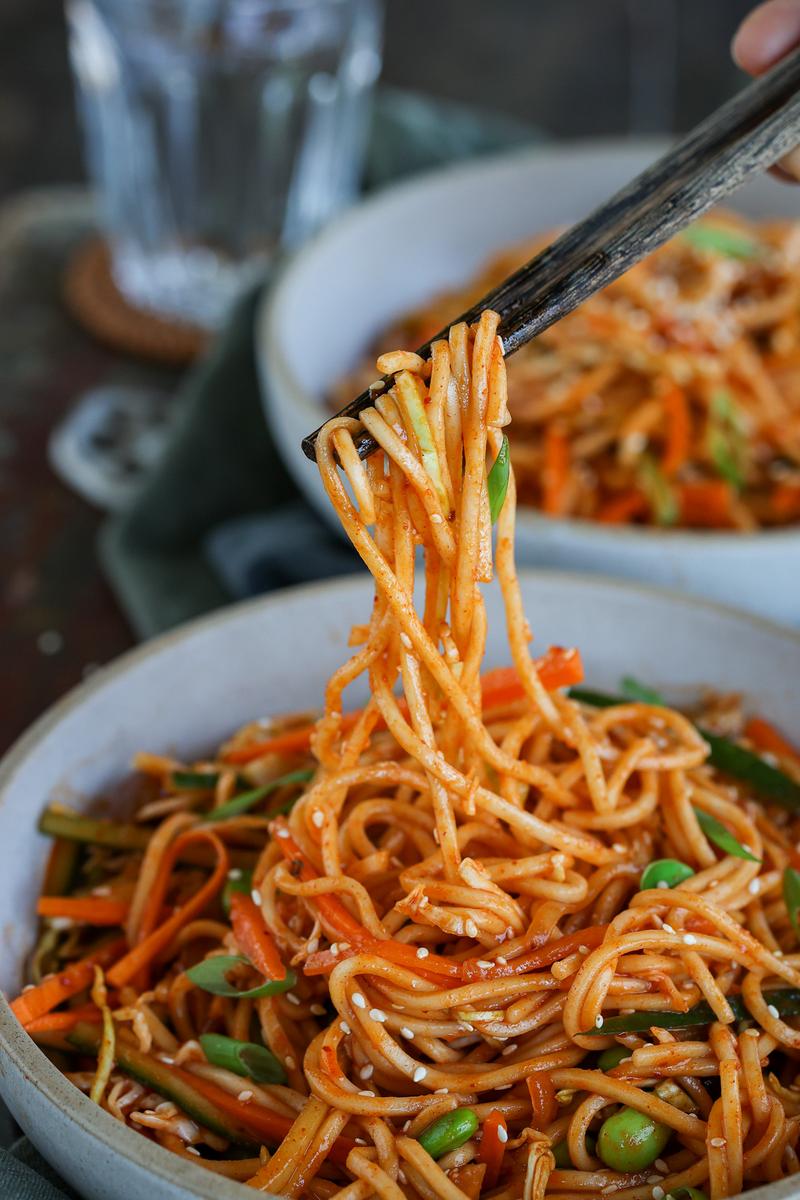
Bibim Guksu - Spicy Korean Noodle Salad
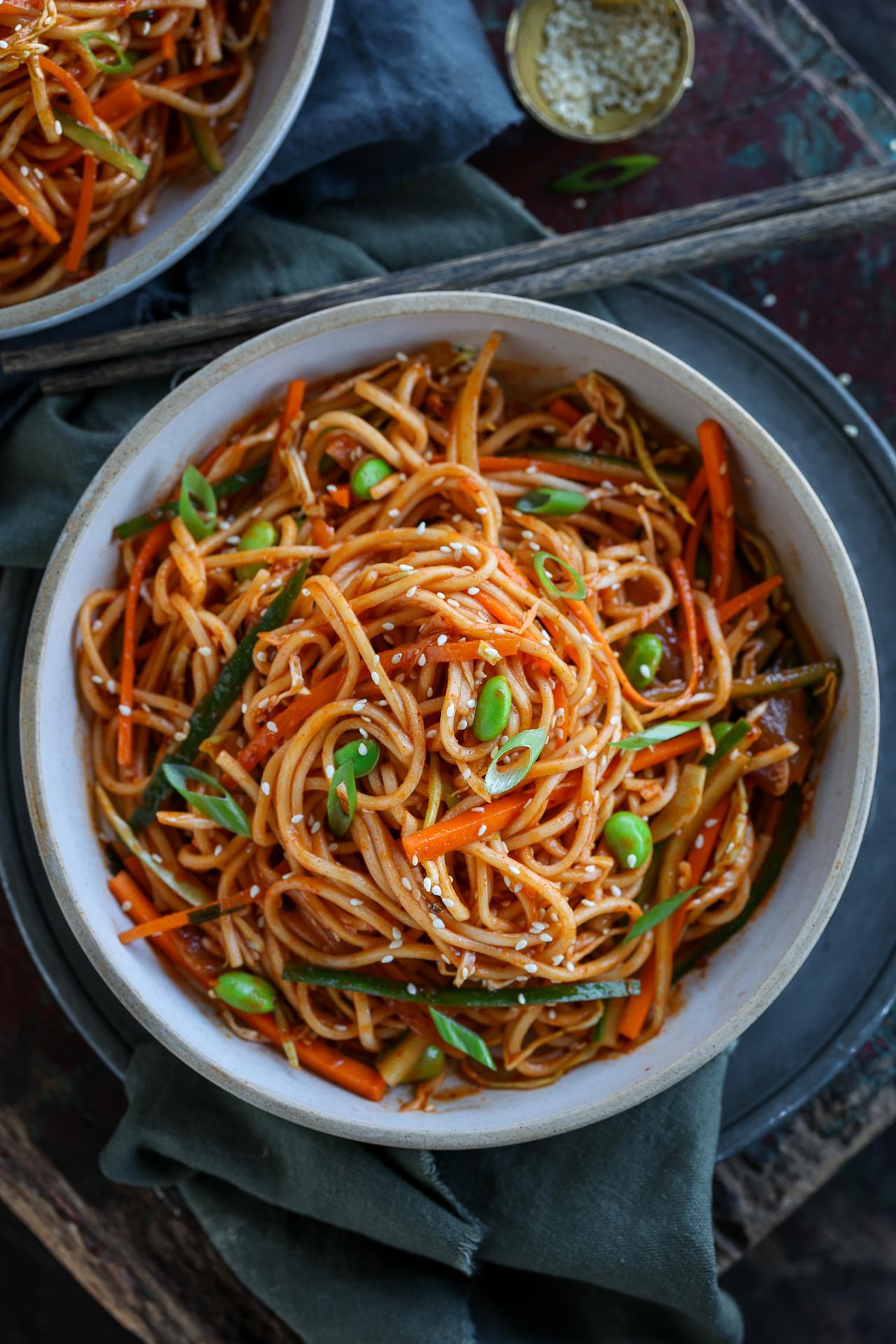
I was first introduced to Korean food in high school, thanks to a few Korean friends who always knew the best spots to eat. We’d go out and share as many dishes as we could—hot pots, sizzling plates, and endless little bowls of banchan (Korean side dishes). That’s when I discovered bibim guksu, and I’ve been obsessed ever since. It’s usually enjoyed cold, and it’s one of my go-to dishes during hot summer months: fresh and fiery, with chewy noodles, crunchy veggies, and a bright, tangy chile paste sauce. It also features kimchi—my all-time favorite Korean ingredient. I’ve more than once finished a small jar on its own with just chopsticks. For this recipe, I recommend using somyeon or sōmen noodles, which can be found at most Asian grocery stores, though any thin wheat noodles should do.Servings
Total
20 minPrep
15 minCook
5 minContains

soy

sesame

gluten
Free from

peanut

tree nut



Ingredients
Sauce
-
1garlic clove, minced
-
1½ Tbsp (23ml)rice vinegar
-
1 Tbsp (15ml)toasted sesame oil
-
1 Tbsp (9g)toasted sesame seeds
-
1 Tbsp (14g)light brown sugar
Assembly
-
6.3 oz (180g)thin wheat noodles†
-
1 cup (90g)shredded green cabbage
-
½cucumber, cut into matchsticks†
-
½medium carrot, cut into matchsticks
-
⅔ cup (105g)cooked shelled edamame
Make your own

Directions
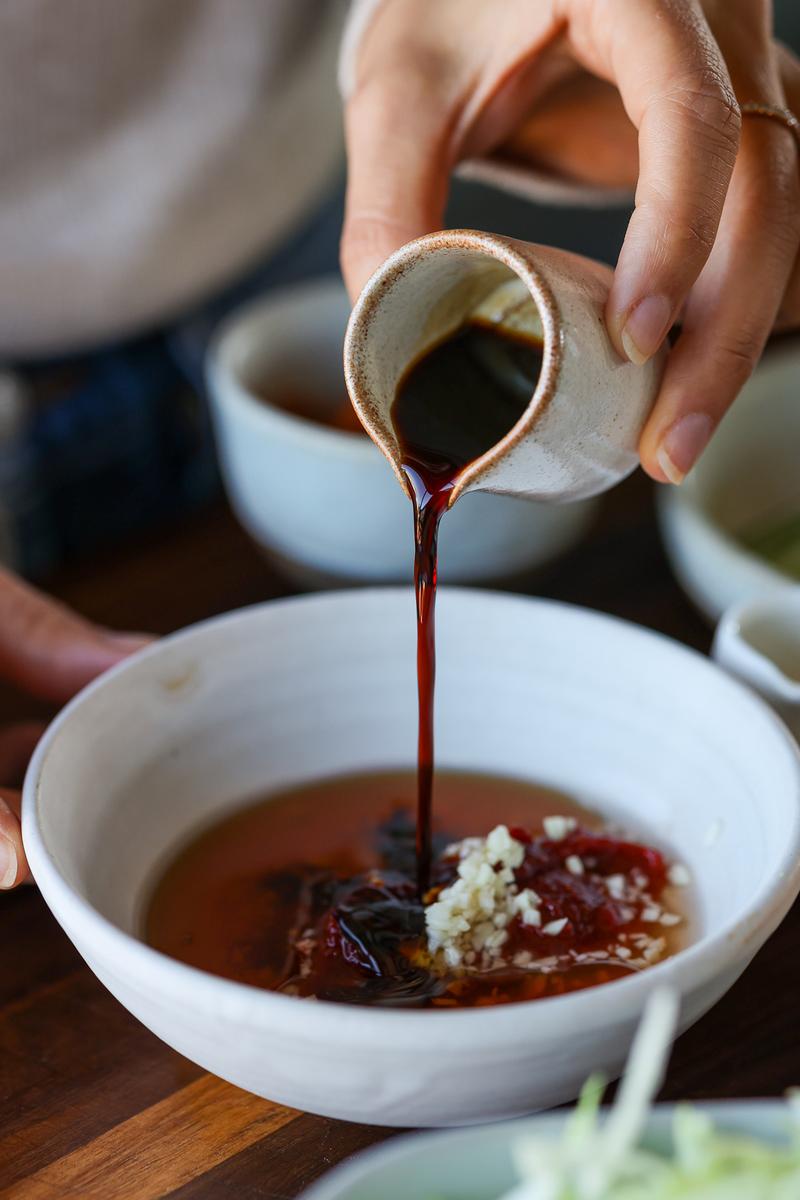
- In a small bowl, mix together the sauce ingredients. Set aside.
- Cook the noodles according to package instructions. Once done, drain, rinse under cold water, and place in a serving bowl.
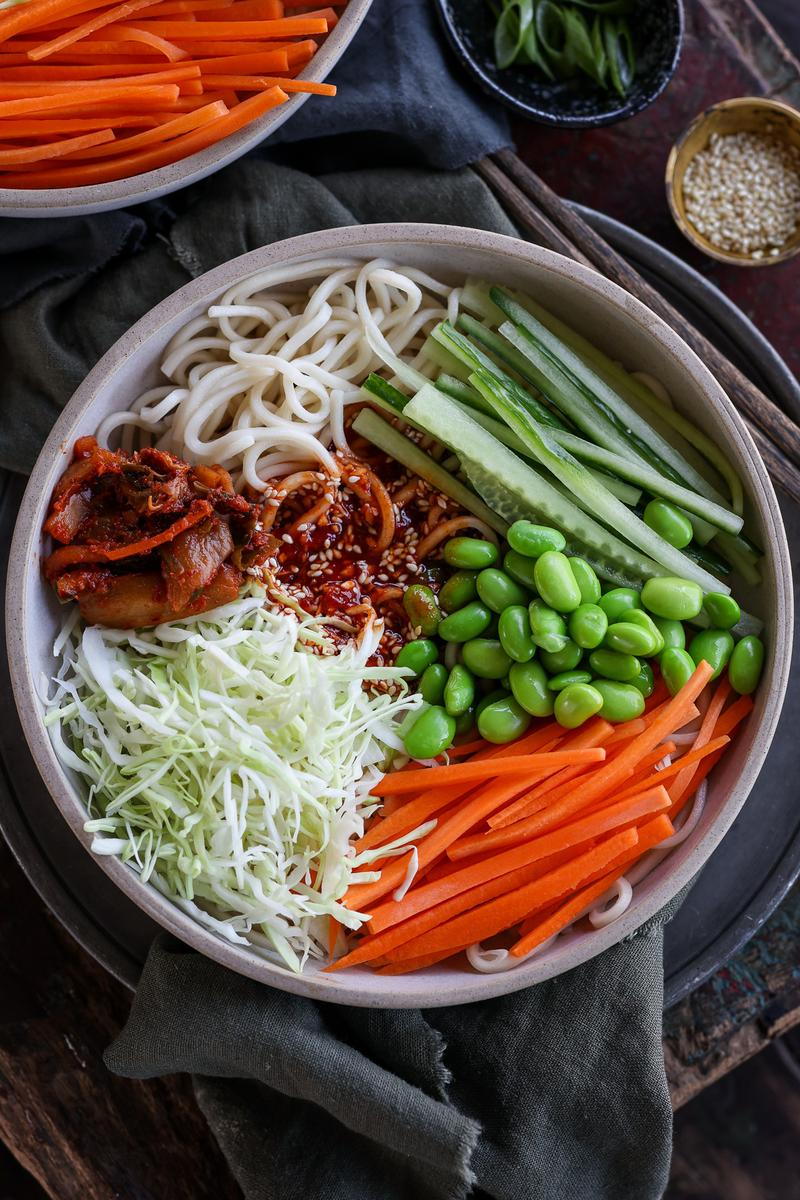
- Add the cabbage, cucumber, carrot, edamame, and kimchi and drizzle the sauce over top.
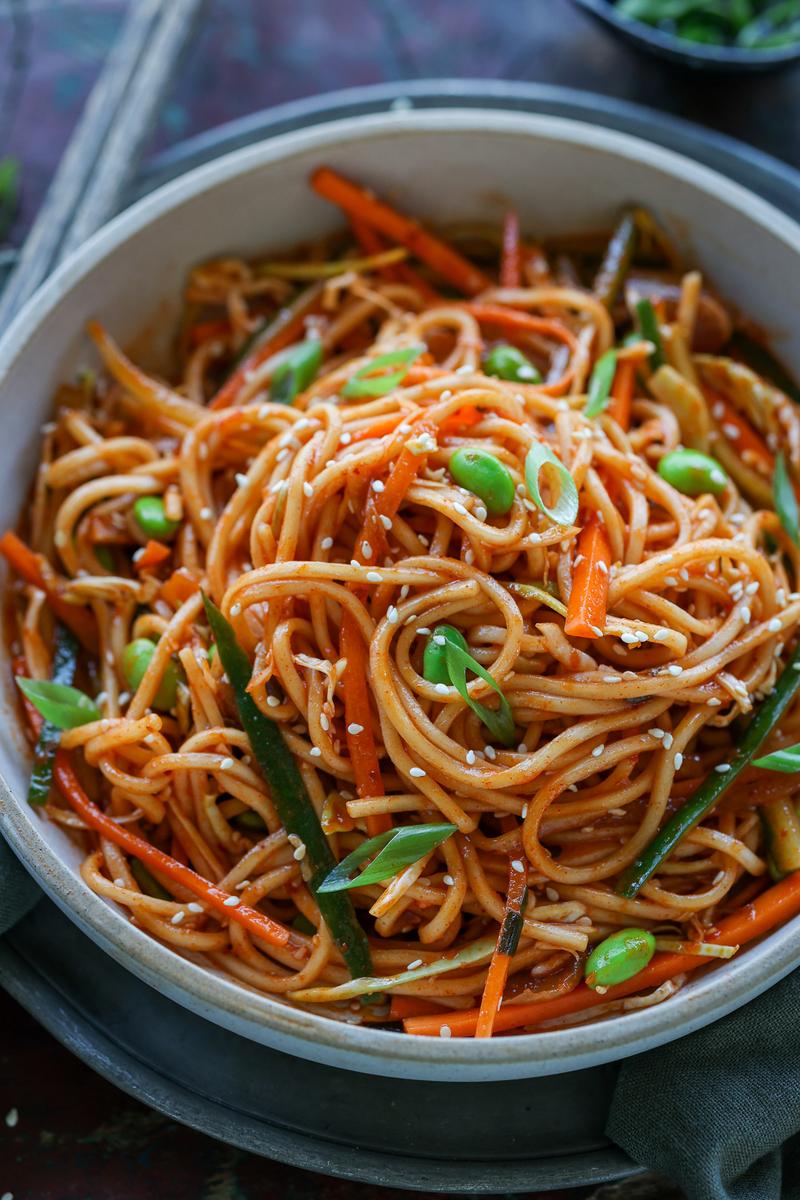
- Give everything a good toss to coat. Enjoy!
Notes
- †Gochujang is a Korean fermented red chili paste with a sweet, savoury, and spicy flavour. It can be found in Asian grocery stores or well-stocked supermarkets.
- †For this recipe, I recommend using somyeon or sōmen noodles that can be found at most Asian grocery stores, though any thin wheat noodles should do.
- †We used an English cucumber.
- †Kimchi is not always plant-based as it often includes seafood-based seasonings. Vegan versions are easy to find or make at home (we’ve got a great recipe on our site!).
Storage
- Best enjoyed on the day it's made.
- Store leftovers in an airtight container in the fridge for up to 3 days.
Let us know what you think
Watch it step-by-step!
Plate method
The Plate Method is a visual tool that helps us ensure our dietary needs are on track. Touch the image below to see how this recipe measures up.
Grains & Starches 51%
• thin wheat noodles
Proteins 12%
• toasted sesame seeds
• cooked shelled edamame
Fruits & Veggies 37%
• garlic clove
• shredded green cabbage
• cucumber
• medium carrot
• vegan kimchi
Calcium
No significant sources of calciumFat
• toasted sesame oil
• toasted sesame seeds
Nutrition info
Focusing on numbers can harm our relationship with food. Instead, our philosophy is to Nourish the Cells & the Soul. For specific nutrition needs due to a medical condition, consult a dietitian or physician. While we strive to provide accurate nutritional information, we cannot guarantee its accuracy. See our disclaimer for details.




Leave a comment
Thank you so much for this recipe! I make it as meal prep to take to work for the first few days of the week. It is so refreshing and tasty!
Loved the addition of edamame!
One of my new favourite meals. It is fresh, super week-night friendly, nutritious and so tasty (even my five year old loved it without the Kimchi). I substituted the edamame with soy curls (dehydrated soy chunks) as I didn't have any edamame. I soaked the curls in hot water first (10 minutes), pressed the water out and soaked them in the Gochujang sauce. Then, I mixed everything with the vegetables and noodles. Thank you for this great recipe!
made this for dinner last night! was excellent cold and then today, i decided to heat it all up and it was just as good! i didn't have the noodles specified, but used Barilla thin spaghetti instead and it worked really well :)
That dressing was amazing
So fast and delicious !! I used soba noodles and added some crispy tofu !! So so good !!
This was the best! Perfect summer salad! I find myself making a lot of pasta and sauces in rotation so this fit right in; it was so easy to throw together too